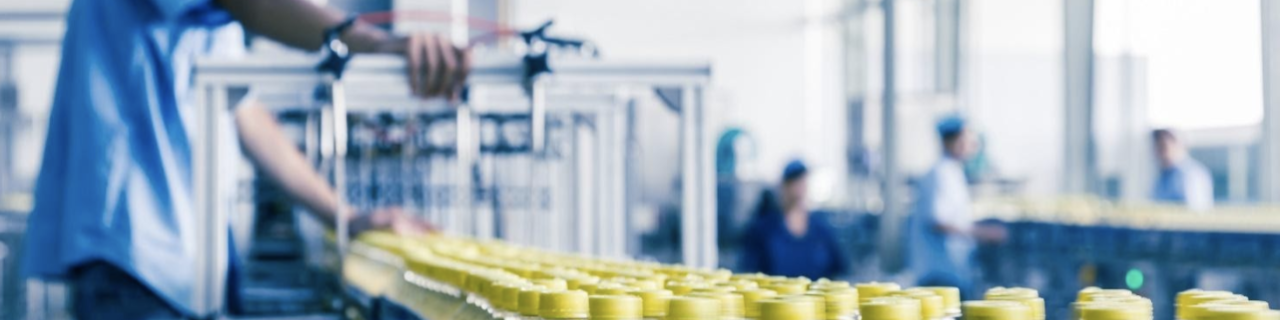
Controlling the microbial quality of water throughout the food processing chain
05/05/2020
The food industry is particularly demanding when it comes to the quality of its water, which is used for a wide range of purposes and is also a major consumer. The challenge is twofold: to guarantee microbiological quality and to optimise the water cycle by using specific, adapted and complementary disinfection processes.
Water: a raw material in the food industry
While water is an essential component of the industrial transformation process, it is also a major 'tributary' of the food industry. So much so, in fact, that companies in the sector believe that the impacts of their activities concern water first and foremost in terms of resources and pollution (source: INSEE).
In the food industry, water has the dual distinction of being used both in the consumption and preparation of foodstuffs, and in production operations, from supply through to the end of the cycle, which means the regulatory requirements are particularly strict: control of microbiology, absence of suspended substances and organisms, monitoring of contamination indicators, etc.
Within the plant, the water cycle includes drinking water, production water, utility water and waste water. Hence the need to control microbiological developments throughout the processing chain, in strict compliance with current regulations.
Combining separate but complementary solutions throughout the water cycle
Whether it is used at the plant inlet for softening cooling tower (CT) water, for example, or in the beverage industry, 'food-grade' water undergoes a series of unavoidable treatments.
Solutions that involve injecting a chemical at a given point in time have a persistence effect that allows products such as bleach to extend their action continuously throughout the water cycle. Among the disinfectants with proven effectiveness, chlorine, chlorine dioxide and salt electrolysis are preferred upstream and in the middle of the cycle.
So-called physical solutions are used more actively at the end of the treatment chain, after the water has been pre-treated. Sterilisation by ultra-violet treatment, microfiltration or ultrafiltration are non-remanent techniques that create an immediate barrier at a given point in the circuit. They also have the advantage of not adding any by-products to the water.
Disinfection techniques and levels for each purpose
Whether chemical or physical, each process has its own advantages and areas of application. Disinfecting water is a complex process, the needs and constraints of which vary according to the chemical properties of the water, its type, the treatment stages, the uses and nature of the finished products, as well as the risks to the safety of people, consumers and the efficiency of the installations.
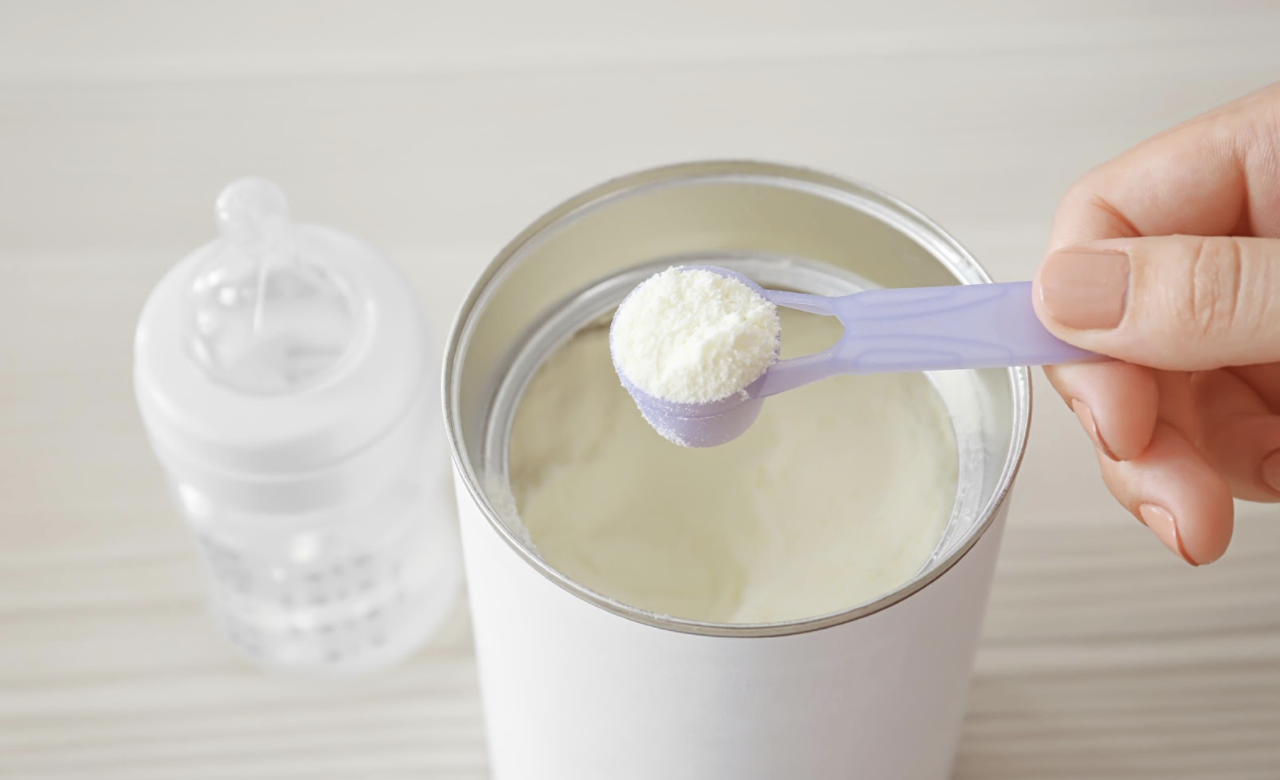
For example, the health imperatives involved in the dairy industry's baby products require specific requirements to guarantee the absence of chlorates and perchlorates, two by-products of disinfection (bleach, chlorine dioxide, etc.)
Balancing health, economic and environmental benefits
Water treatment therefore requires the right balance to be struck between the degree of purification and the quality required, depending on the different uses. While process water focuses on employee safety and industrial performance, utility water used for steam or refrigeration production is used to optimise operating costs.
Salt electrolysis is a natural chlorine-based design technique that combines water, salt and electricity. An ecological alternative to the injection of bleach or chlorine dioxide, the process is based on the production of biocides in situ and on demand, which is all the more effective in meeting economic and environmental imperatives. The solution, based on the action of generators, produces a fresh, chlorinated disinfectant solution with very high disinfectant power.
In the final analysis, water treatment measures strike a balance between health, safety, economic and environmental benefits, and are based on the combination of several techniques and systems to get the best out of each of them.