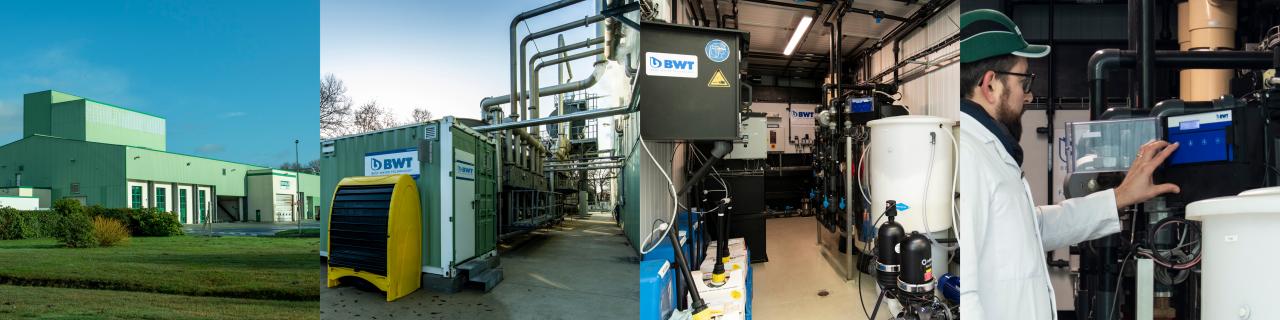
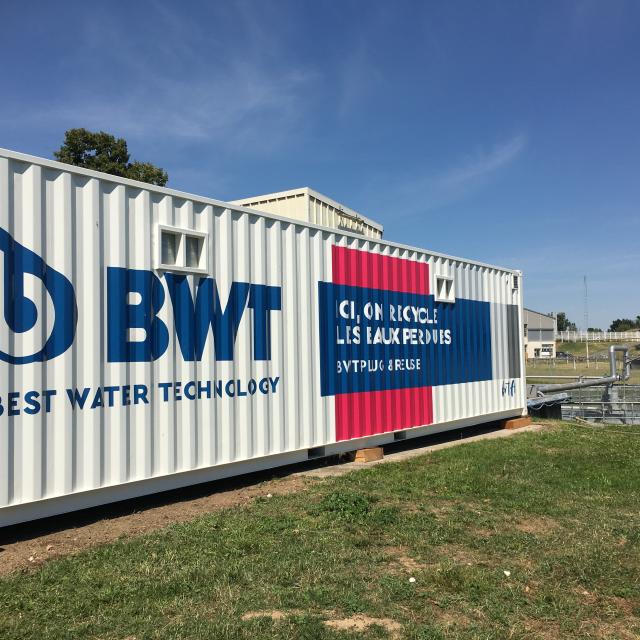
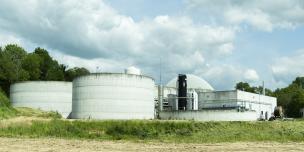
The need for a container for reprocessing WWTP water became apparent in 2016. Based on the technical use of recycled water, it will enable up to 50% of the site's total water consumption to be reused.
“Above all, we were looking for a business-specific approach, capable of adapting the solution to the specific needs of reprocessing wastewater from lagoon-based treatment plants," explains Anne G., project manager in the technical department. "The solution also had to meet constraints relating to the location of the container, close to the buildings and utilities, and its size so that it could absorb the increase in activity and the development of our process.”
Two approaches were submitted, and the BWT solution was chosen. The geographical proximity and availability of the teams were decisive factors. " All the more so as this container was the first of its kind to be set up within the Group," stresses Anne G., who continues: "BWT committed to precise specifications with an obligation to achieve results. The team took the time to adapt a standard solution to all our requirements in terms of installation ergonomics, process control and maintenance".
After 18 months in operation, the container is fulfilling its mission to the full. BWT sought to optimise the implementation of the container, as well as technical support and training for the teams at the start of operations.
"Our first objective has been achieved, as we now have an efficient system capable of reprocessing almost 15,000 m3 per year. It allows us to discharge additional volumes in the event of a peak in activity, thereby avoiding situations of water stress such as heatwaves, for example", comments Julien M., Site Manager.
“The quality criterion we have chosen takes us beyond the required standards and helps not only to reduce our environmental impact, but also to reassure our employees about the reliability of water from the WWTP, particularly in terms of hygiene," says Julien M. "We are no longer limited in the volumes of waste we can discharge, and we can now envisage the development of new by-products.”