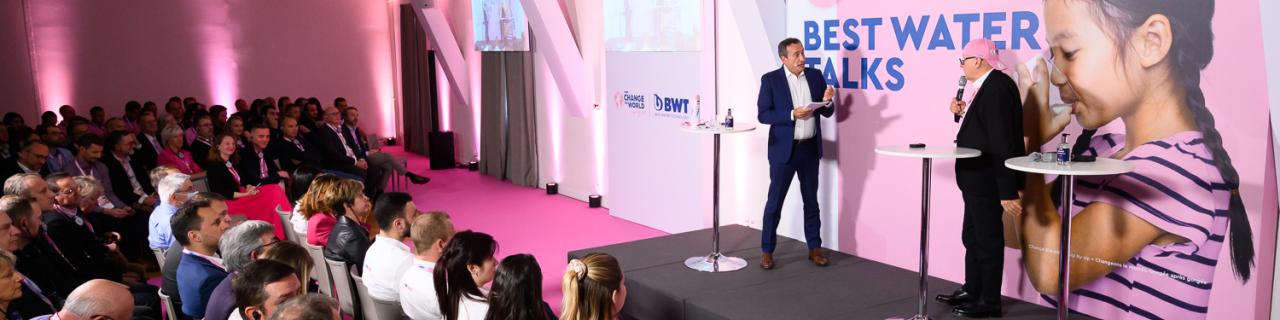
Best Water Talks 2022: water conservation in the spotlight
08/04/2022
To find out more about these testimonials and understand how to better protect water, the environment and people, watch the replay of this first edition of Best Water Talks, on World Water Day 2022:
Conference summary:
00:00 Introduction
Change the World. Sip by sip.
05:25 Water is our mission. Andreas Weissenbacher, CEO of the BWT Group
25:48 BWT France, close in the field. Sébastien Marlier, Managing Director of BWT France
31:32 The Bottle Free Zone movement. Thomas Lombard, Managing Director of the Stade Français Paris and Lénaïg Corson, CSR Officer
Preserving water resources
42:12 Introduction by Raphaël Gallais, Chief Operating Officer, BWT France
50:44 Water is everyone's business. Béatrice Pavy-Morançais, Chief Delegate of the UAE
56:45 Water in industry. Michel Mangion, CSR Director, Cristal Union
Protecting the environment and people
01:06:28 Introduction by Emmanuelle Le Guern, Business Development Manager, BWT France
01:10:31 Water, a lever for ecological transition. Benoît Dewaele, Production Manager and Deputy Technical Director of SICAL, Rossmann Group
01:18:28 Conclusion
Not just water conservation. To mark World Water Day, which is held every year on 22 March, the Best Water Talks, the first water-focused conference organised by BWT France, focused on correlating water issues with environmental and human protection, for an audience of nearly 200 guests.
With testimonials and advice from Stade Français Paris, sugar producer Cristal Union and Sical papermill.
Saint-Denis, 22 March 2022, 6 pm: for this first conference, Best Water Talks welcomes Andreas Weissenbacher, CEO of the BWT Group, to set out the company's ambition: “Change the world, sip by sip”. This ambition can be broken down into 3 concrete areas:
- the visibility of the Drinking Water business and the BOTTLE FREE ZONE movement (a zone without single-use plastic bottles),
- the social and environmental responsibility and sustainable growth of the Group, which is present in over 25 countries with more than 5,500 employees,
- investment in Research & Development on the technologies of the future, with 12 centres dedicated to innovation, to minimising the impact of the company's operations and those of its customers, including on biodiversity, soil pollution and the protection of aquatic environments, but also of course to improving the quality and reducing the consumption of water in industry, the service sector and collective and individual housing.
This ambition and strong commitment are supported in France by Sébastien Marlier, Managing Director, and all the teams at BWT France, whose 580 or so employees work as closely as possible with their customers and their changing needs, throughout the country, covered by the 7 regional branches.
A Bottle Free Zone at Stade Français Paris
Reducing its environmental footprint and preserving the planet's resources in a way that promotes personal fulfilment have been key development values for the Stade Français Paris for many years.
Through the voices of Thomas Lombard, Managing Director, and Lénaïg Corson, international player and CSR Officer at the club, the club explained the gradual introduction of a Bottle Free Zone, to limit the use of single-use plastic as required by the AGEC (Anti-Waste for a Circular Economy) law, first in the offices, then with the players, and soon in the stadium. It's a fine example of commitment to the values of sport, and especially to the younger generations of athletes.
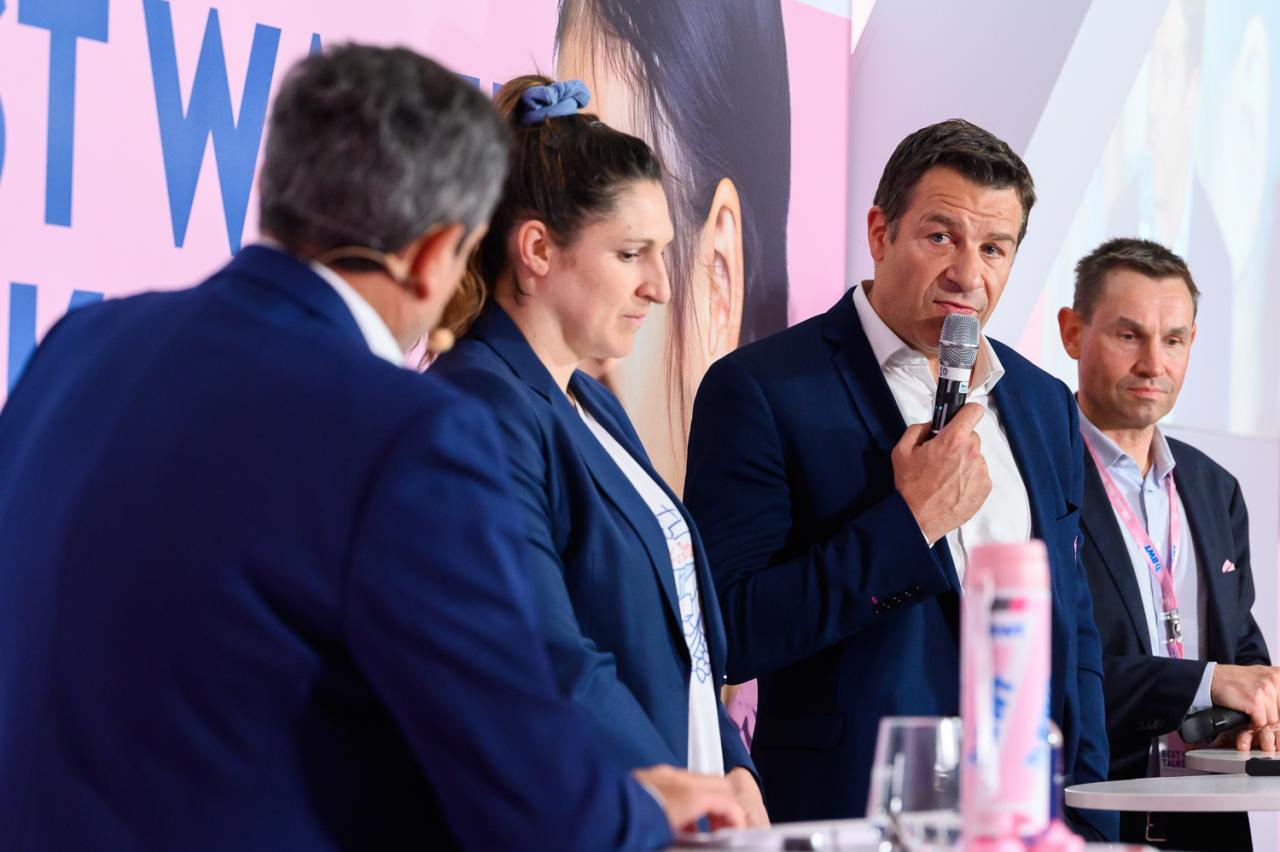
Preserving water in industry: Cristal Union's commitment
Water stress is not confined to just a few countries around the world, as Raphaël Gallais, Director of Operations at BWT France, was keen to point out. In temperate countries like France, drought decrees are now issued every summer, including north of the Loire.
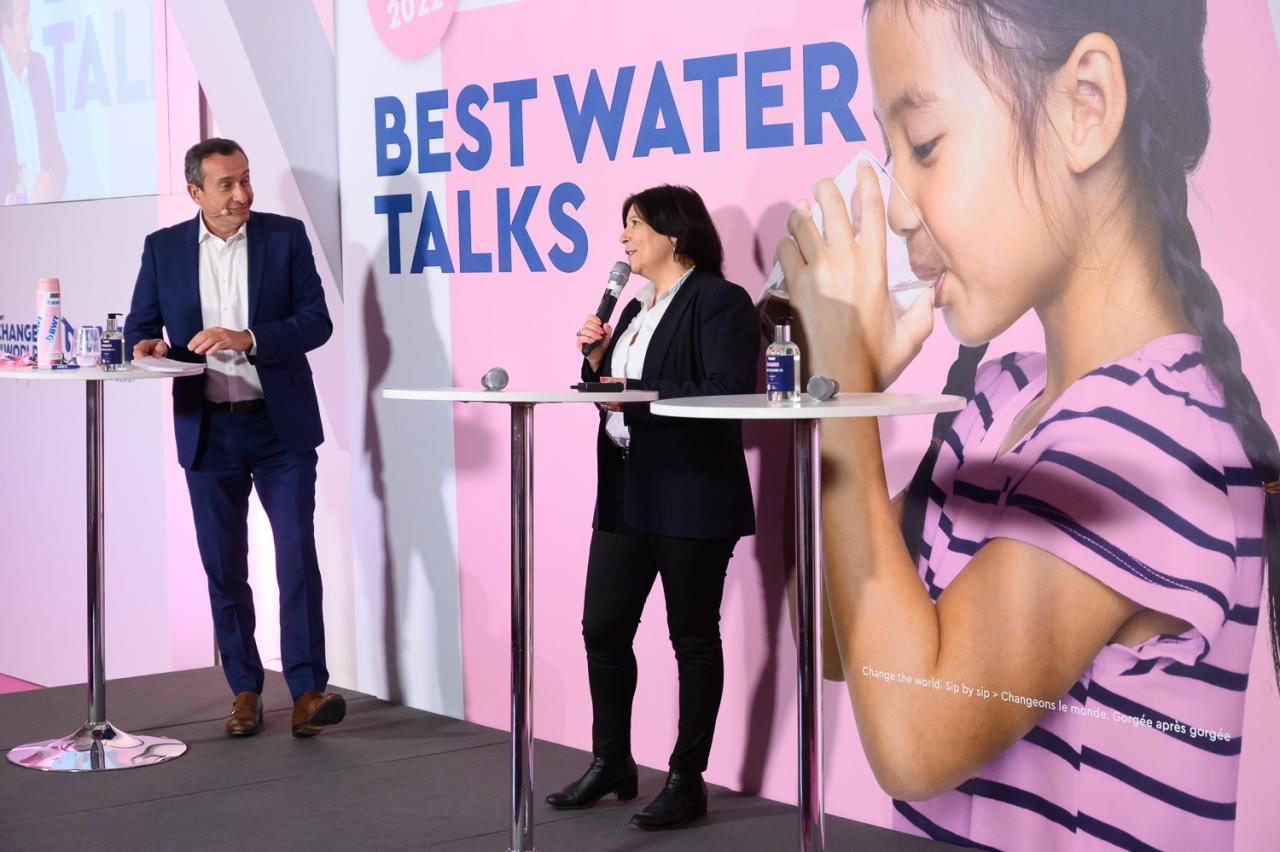
For the players in the water treatment industry, represented by the UAE, their professional chamber, preserving water resources, over and above the regulations, is a line of conduct that applies to their entire value chain, as Béatrice Pavy-Moranҫais, Deputy Secretary General of the UAE, pointed out. And it must go much further, with equipment and packaging that can be recycled or even reused, and above all regulations that need to be harmonised very quickly at European level, so that we are all moving in the same direction.
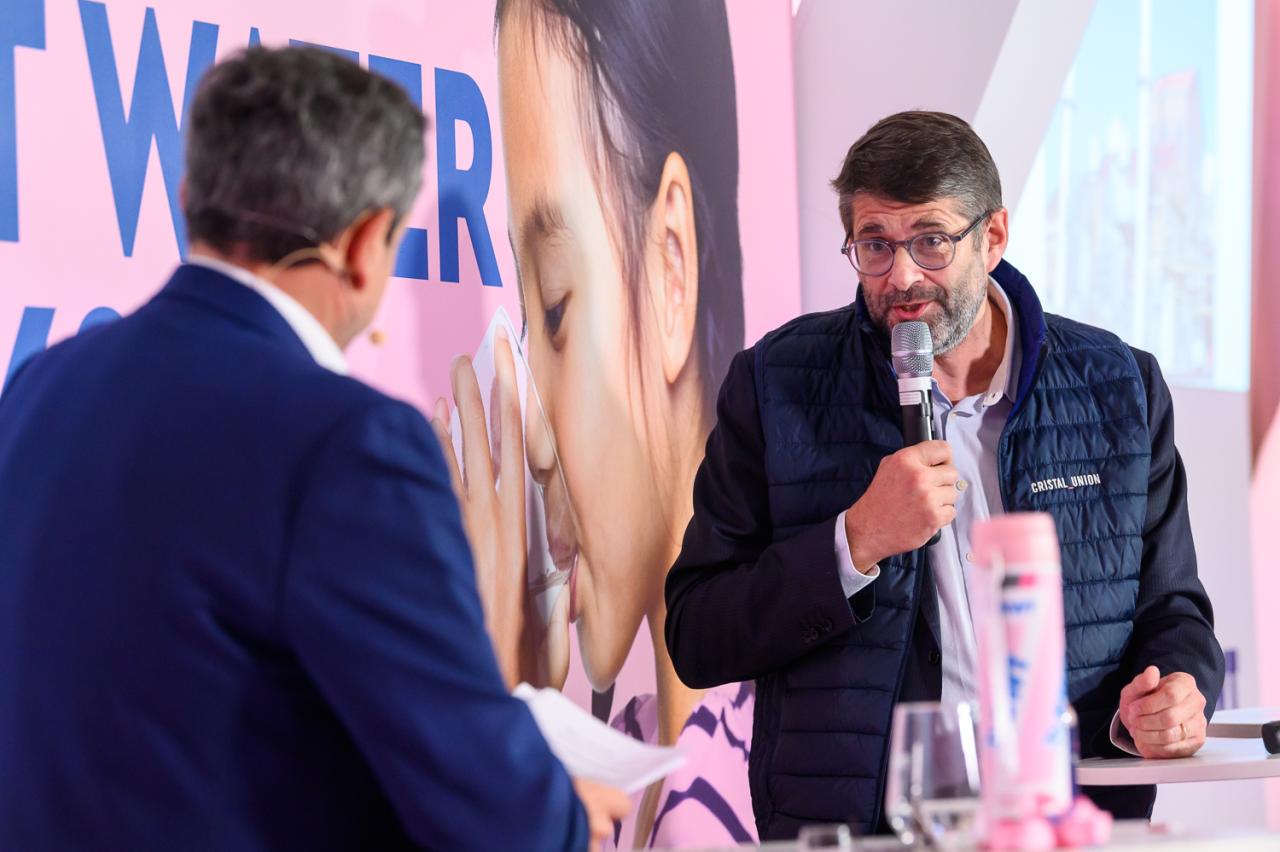
The Cristal Union Group, one of Europe's leading producers of sugar, alcohol and bioethanol from sugar beet, with over 2,000 employees and 9,000 cooperative farmers, is working to preserve water resources as far as possible. In the space of just a few years, the Group has completely overhauled its practices, using water from the beet itself to draw less on natural resources: 57% less water has been drawn in 10 years! And it's continuing in the same vein today, by offering to store surplus water for future use on crops when they need it most: during the summer months.
Protecting the environment and people: a duty for the Sical papermill
For the Rossmann Group subsidiary, water is an essential raw material for the production of paper pulp. To ensure the quality of the finished product and avoid clogging of the installations, bacterial growth in the water must be controlled using biocides. So, as well as limiting its water consumption, the company has opted for salt electrolysis for bacteriological control and purification of its process water.
As well as making significant savings, this also means less transport, storage and handling of chemicals, and has reduced the chemical risks, both for the environment (by-products in waste) and for employees, by 90%. An example closely followed by other paper manufacturers in the Aa valley (62) and even beyond!
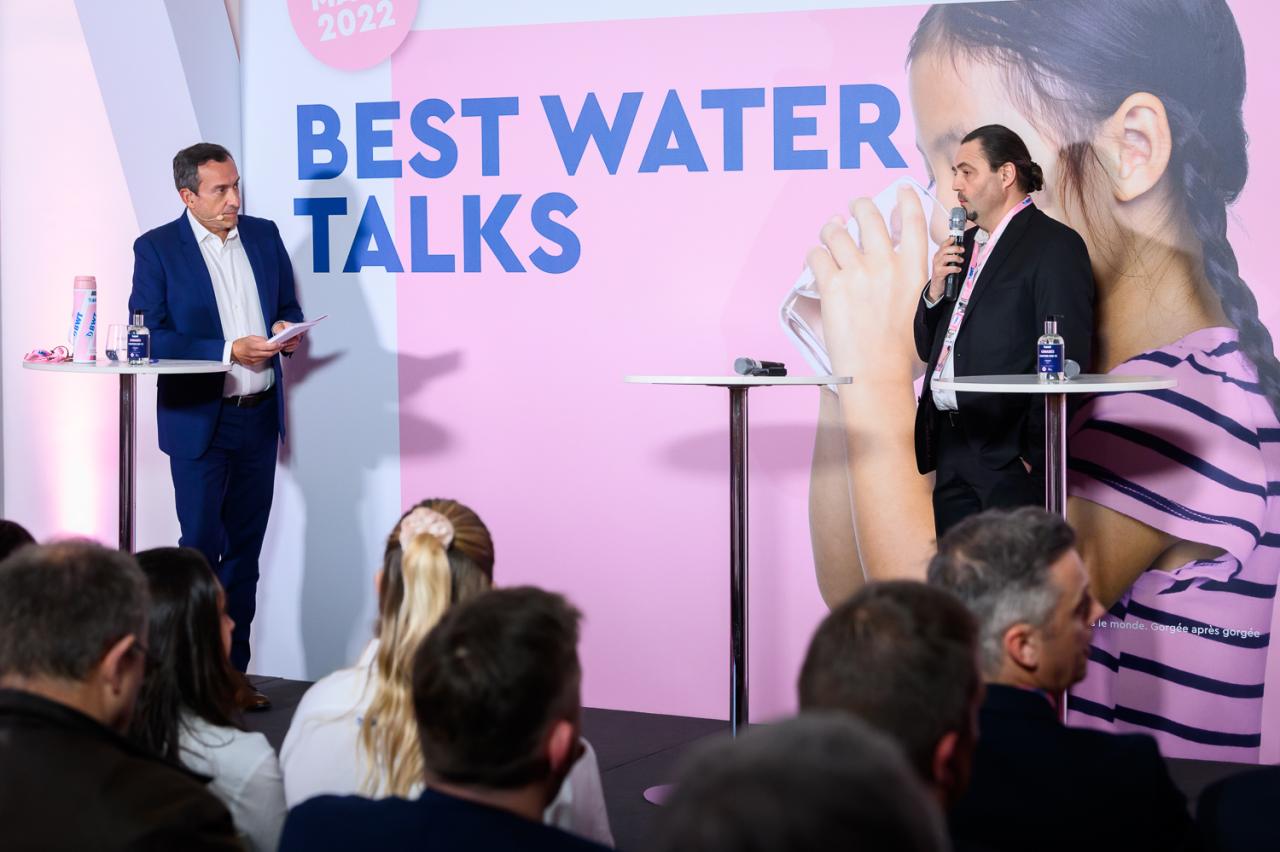
Photo credits: Philippe Stirnweiss